
A Home Your Body Can Trust.

A home should be a place to exhale. Somehow, you’re still holding your breath.
You’re adulting like a fiend: family, career, self-care, friendships. All the maintenance, all the planning. You’re tired in a way that sleep doesn’t fix.
You stopped having people over and you’re not sure why, except that there’s never a good place to land.
You’ve tried so many tools–the Pinterest boards, the paint chips, the new layout, the new couch–and you know your own taste.
But something in your body keeps wanting to go home.
This isn’t it.
You can’t work any harder.

Your home needs to work smarter.
It’s not the things you picked that are the problem. It’s all the choices you weren’t allowed to make: the default fixtures, the contractor efficiencies, the standard floor plan that never met your family.
The first step toward peace: trust what your body knows.

Who Comes to Practical Sanctuary?
- You just moved in, and it still doesn’t feel like home.
- You’re in the middle of a major transition, and your space hasn’t caught up.
- You’re moving in with someone, or finally living alone for the first time.
- The people you live with have needs that pull in different directions, and nobody’s winning.
- You work from home, and the line between work and rest has disappeared.
- Your home is supposed to be a safe place. It doesn’t feel safe.
- Your body has changed, and your space hasn’t adapted.
- Someone in your home experiences the world more intensely than the space was built for.
- You know what you need to do. You cannot make yourself do it. You suspect the room has something to do with it.
- You’re rebuilding. You need your space to be a part of that.
If your home has ever felt like it belongs to a version of you that you’re trying to leave behind–or like it was never really yours at all–you’re in the right place.
How We Work
Every project starts in the same place: you, and what your body is already telling you about your space.
We work with you remotely or in person, depending on what makes sense for your situation. The tools we use are ones you already have access to–Google Photos, Pinterest, Canva, WhatsApp. Nothing to learn, nothing to buy.
You set the pace. Some clients want intensive support through every decision. Others need a clear plan and space to implement it themselves. We build around how you actually work, not how a process chart says you should.
If you’re already working with an occupational therapist, a somatic practitioner, or another healthcare provider, we collaborate with them directly at no extra charge. Your support system doesn’t have to start over when you work with us.
What stays constant, whatever the project: we start with your needs, your constraints, and your taste. Not a package. Not a mood board that belongs to someone else’s vision of your life. The goal is a space that works for the person you actually are, right now.
Curious? Start here.
If you’d like to get a sense of what it’s like to work with us, our free e-course is a good place to start. For a focused conversation, book a Space Therapy Q & A.
The Eccentric Genius Habitat Intervention
Free E-course
Your space, your nervous system.
Most of us were never taught how our bodies actually experience a room–the light, the sound, the layout, the smell–and what happens when those things work against us rather than for us.
This free seven-day course is a gentle introduction to sensory design. Each day brings one small exercise–noticing your senses, photographing what you’ve been editing out, dreaming about what you actually want. The exercises are all optional, and you can go as deep as you like.
By the end, you’ll understand why certain places drain you, what your body is telling you, and how to start without overwhelm.
Sign up below. Your first email arrives within the hour.
Space Therapy Q & A
$49 for 45 minutes
You know something isn’t working. You might even know what it is. What you need is someone who can look at your specific situation, ask the right questions, and give you a clear direction.
This is a single focused conversation–by video or phone, remote or in person. We’ll identify your most pressing design problem, talk through what’s underneath it, and map out what a real solution looks like.
You’ll leave with clarity about where to start, and what working together could look like if you want to go further.
Before and After: Sensory Interior Design Transformations


Toggle the slider to see the change
Finding the right accent colors, shifting the layout and highlighting a client’s art collection transforms this apartment into a haven for a powerful entrepreneur.
Toggle the slider to see the change
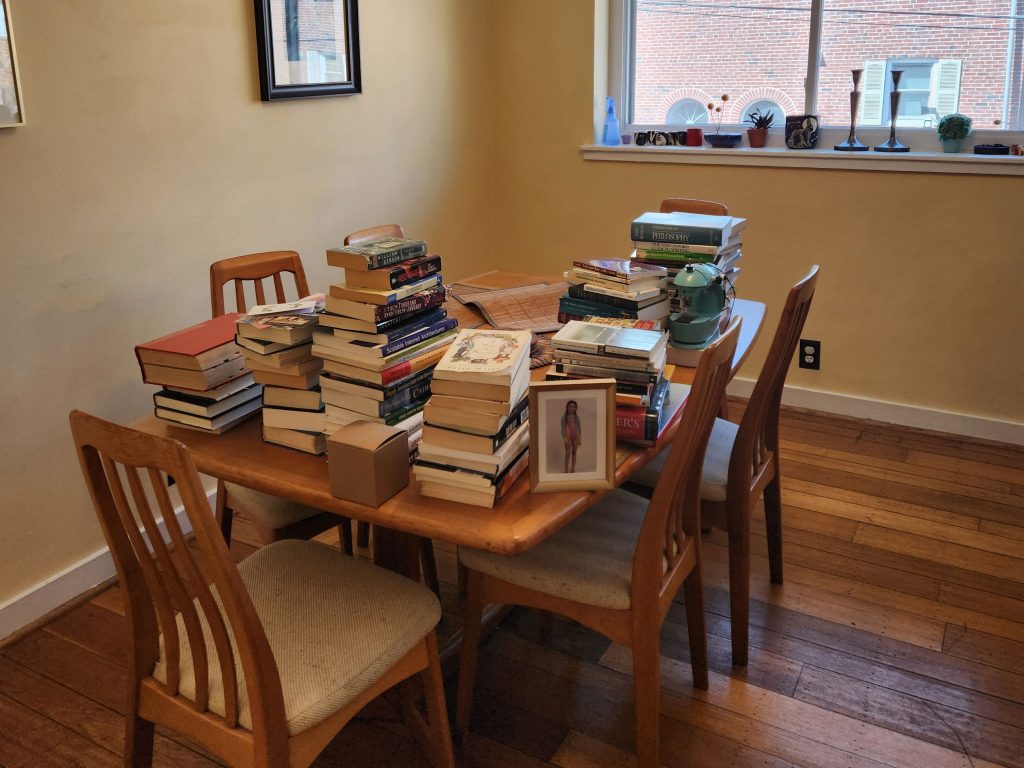
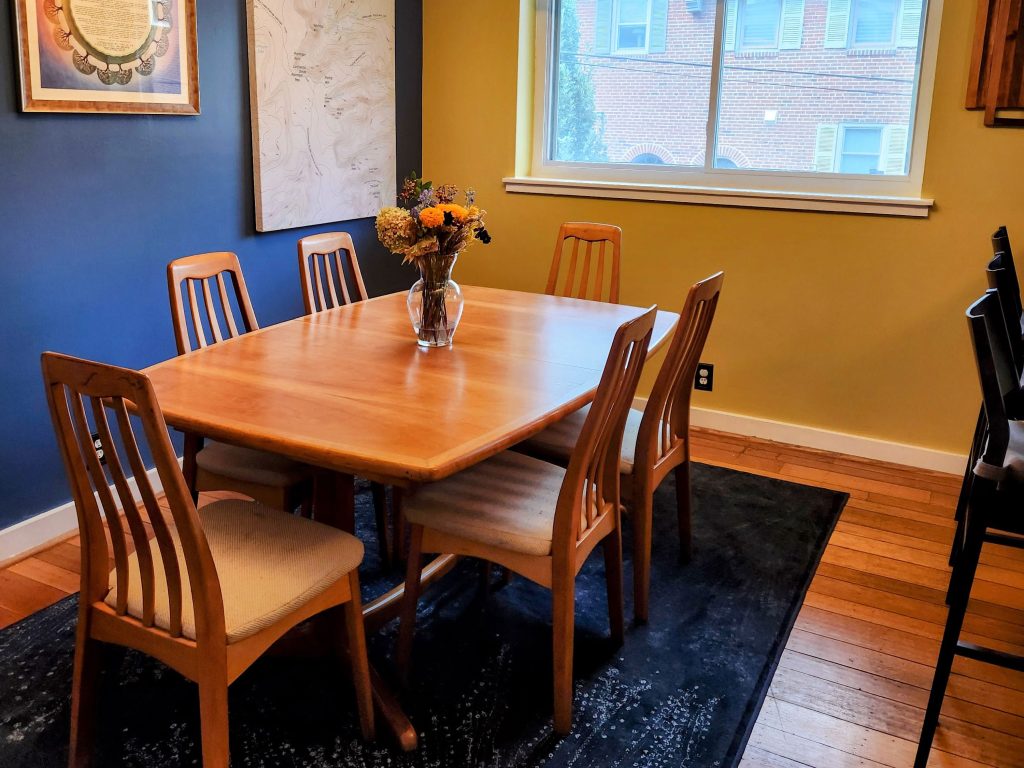
A Philadelphia family transforms their noisy street-facing dining room in Society Hill to an oasis of comfort and family history.
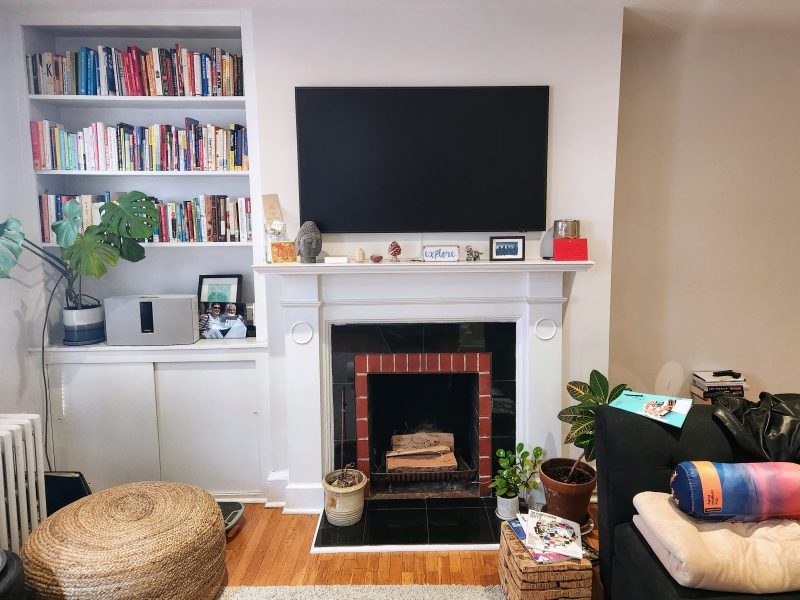
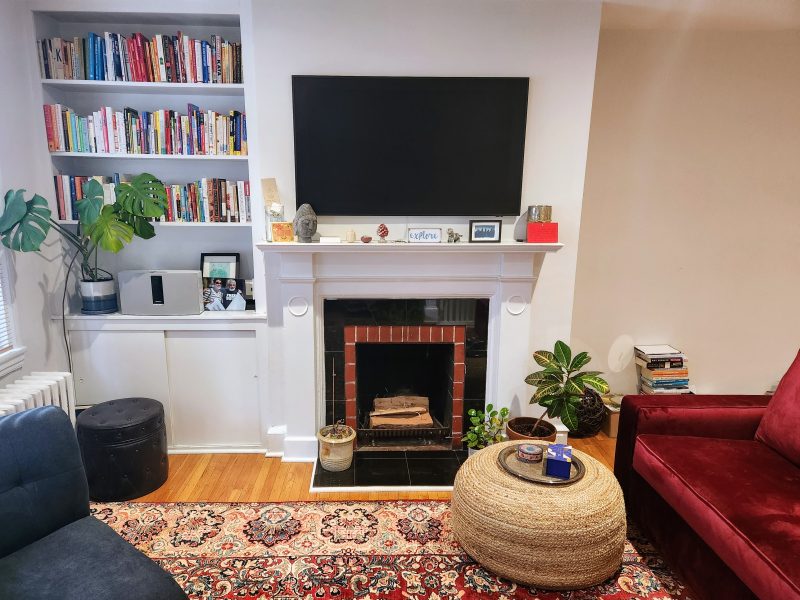
Toggle the slider to see the change
We give a client a new experience of her living room during our initial interior design consultation.

Explore the extraordinary house designed by neurodivergent architect Leif Weaver, who taught us much of what we know about sensory design.

Acoustic solutions can range from custom-designed acoustical mosaic murals, to photo art custom-printed on acoustic panels, to simple designs which integrate seamlessly into the existing interior.
We worked with a noise-sensitive Philadelphia family to narrow down the infinite number of options to one which suited their style.
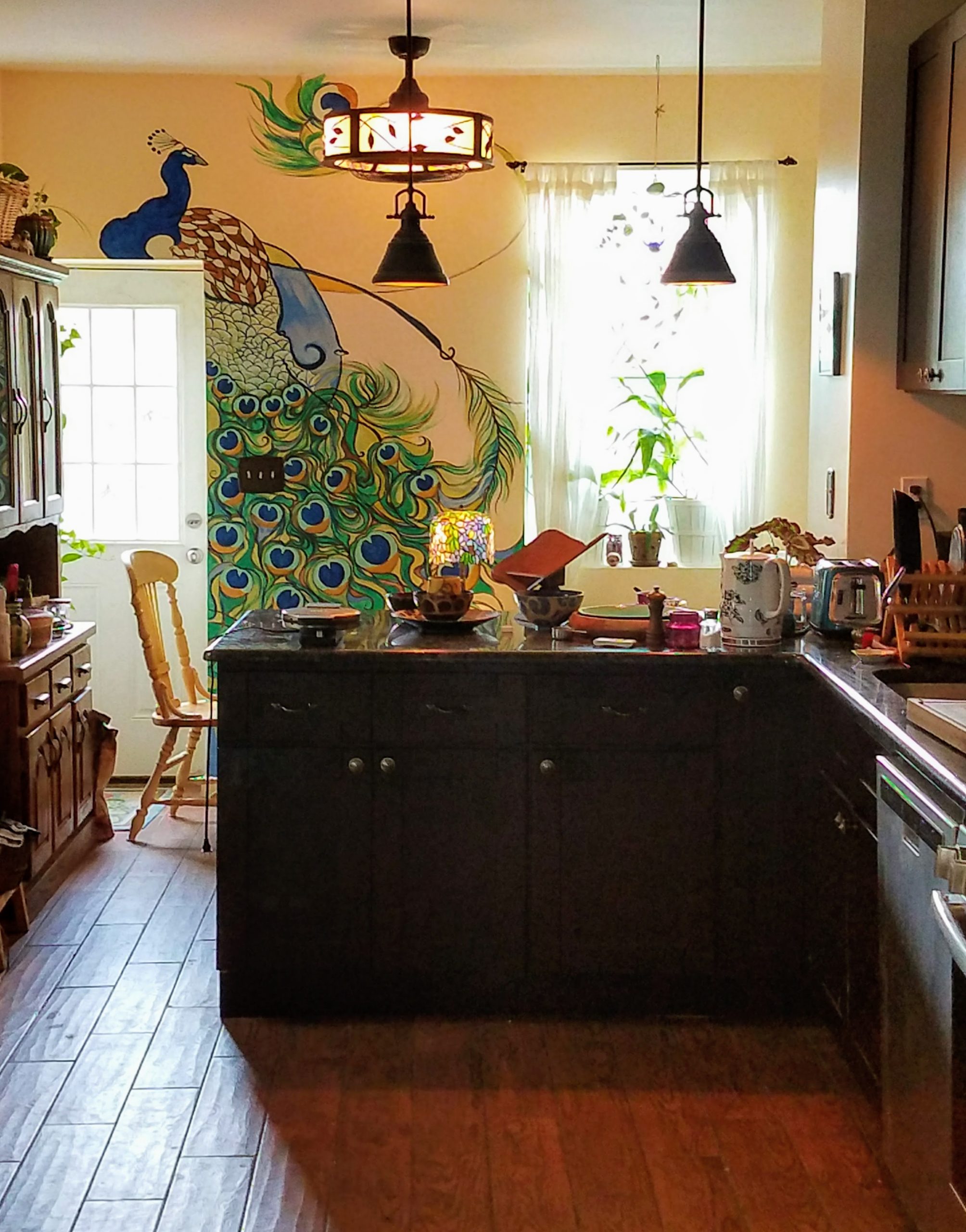
We strip a Philadelphia rowhouse kitchen down to the studs, and redesign it for light sensitivity, sound sensitivity and access to nature.
The Eccentric Genius Habitat Intervention
Your space, your nervous system.
Most of us were never taught how our bodies actually experience a room–the light, the sound, the layout, the smell–and what happens when those things work against us instead of for us.
This free seven-day course is a gentle introduction to sensory design. Each day brings one exercise–noticing what you feel, photographing what you’ve been editing out, dreaming about what you actually want. The exercises are all optional, and you can go as deep as you like.
By the end, you’ll understand more about why certain rooms drain you, what your body knows about your home, and how to start shifting without stressing out.
Sign up below. Your first email arrives within the hour.


