
Sensory Room Ideas for Trauma-Informed Care
Many people feel uneasy in their own homes. Not unsafe. Just on edge. The lights feel harsh. Sounds travel too far. Visual clutter piles up. It adds up.
A trauma-informed sensory room helps slow things down. It is not about escaping life or creating a perfect space. It is about giving the nervous system a place to settle so daily life feels more manageable.
Our nervous systems react to our surroundings all the time. Light, sound, and movement quietly signal whether it is okay to relax or whether we need to stay alert. For people with trauma, long-term stress, or sensory sensitivity, those signals can feel stronger than they should.
This is not rare. About 13.7% of children in North American public schools meet criteria for sensory processing difficulties, and sensory differences are closely linked with anxiety, withdrawal, and emotional reactivity. These patterns show that regulation is not only something we work on internally. It is shaped by the spaces we live in.
This blog shares simple sensory room ideas that support trauma-informed care and nervous system regulation.
What is a Trauma-Informed Sensory Room?
The Roots of Sensory Regulation
Trauma affects how the nervous system processes sensory input. Sounds may feel louder. Lights may feel harsher. Visual clutter may feel chaotic rather than neutral.
These responses are not preferences or personality traits. They are protective nervous system patterns. A trauma-informed sensory room honors this reality. It is designed to reduce overwhelm, increase choice and control, and support regulation when stress rises. These rooms are not about decoration. They are about function. A space is doing its job when it helps the body feel safe enough to settle.
At Practical Sanctuary, we approach this work through nervous-system-first design. We focus on how a space supports regulation rather than how it looks or aligns with trends. When a room helps someone function with more ease, it is successful.
Core Principles of Trauma-Informed Sensory Rooms
Trauma-informed sensory rooms are not complicated. They work because they respect how people actually experience space.
Provide Choice & Control
People regulate better when they are not trapped in one setup.
Being able to turn a light down, move to a quieter spot, or shift positions matters more than most design features. Some days the body needs stillness. Other days, it needs movement. A good sensory space makes room for both.
Choice is not a bonus feature. It is part of what helps the nervous system feel safer.
Manage Sensory Load
Too much input wears the body down.
Bright contrasts, busy patterns, and harsh lighting can create stress without anyone noticing right away. Sudden or unpredictable sounds tend to keep the nervous system on edge.
Trauma-informed spaces keep things calmer on purpose. Fewer sensory demands often lead to more stability.
Support Safety & Predictability
People move more easily through spaces that make sense.
Clear paths help reduce confusion. Having a known place to step away helps when things feel like too much. That might be a corner, a chair, or a quieter area that stays consistent.
When a space is predictable, the nervous system does not have to scan constantly. Safety comes from knowing what is there and what will not change.
These principles shape every sensory room idea that follows.
Sensory Room Ideas That Support Trauma-Informed Care
- Visual Comfort
Visual input has a strong effect on regulation.
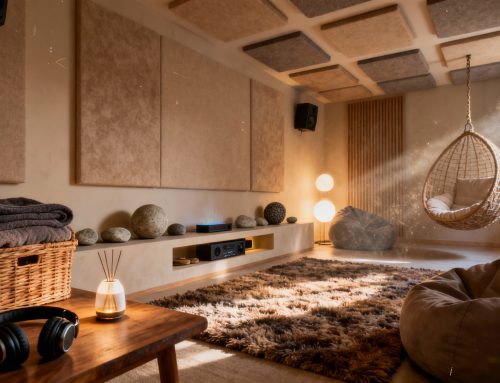
Soft, natural light helps the nervous system settle. Dimmable lamps allow brightness to change throughout the day. Calming colors such as greens, blues, and muted purples tend to feel grounding rather than activating. Some people benefit from slow, subtle visual movement. Gentle projections of clouds or ocean scenes can provide visual grounding without demanding attention.
Tip: Avoid fluorescent lighting or constantly shifting visuals. These often feel chaotic to sensitive nervous systems.
- Auditory Regulation
Sound can calm the body or keep it on edge.
Gentle ambient sounds like rain or forest soundscapes can soften a space. Soft music playlists, chosen intentionally, may help some people regulate. Low background noise machines can help mask harsh sounds. At the same time, unchanging white noise can feel overwhelming for certain individuals. Sound should always be adjustable and optional.
- Tactile & Touch Elements
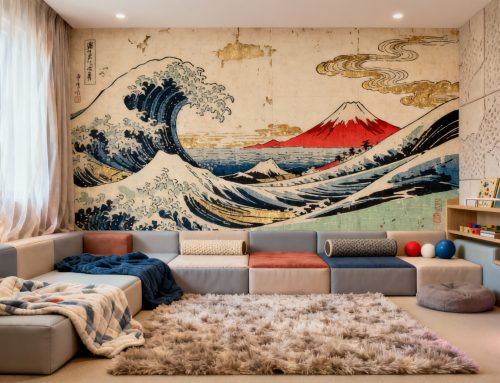
Touch can ground the body when emotions run high. Soft cushions, something with a bit of weight, or small items you can hold often help people settle. Texture plays a role here. Some people want smooth surfaces. Others prefer something plush or firm. There isn’t one right option. A trauma-informed space leaves room for personal preference instead of forcing a single solution.
- Physical & Movement Tools
Movement helps the nervous system release excess energy or gently re-engage with the body.
Rocking chairs, sensory swings, or balance stools offer calming motion. Soft mats create space for stretching or movement breaks. Movement here is about regulation, not performance.
- Comfort + Retreat Zones
Every sensory room benefits from a clear retreat space.
This may be a small enclosed corner with soft seating or a tent-style hideaway within a larger room. These areas allow controlled withdrawal when stimulation becomes too much. Retreat is not avoidance. It is a way to prevent overwhelm from escalating.
- Optional Tech & Engagement
Some people regulate best with guided tools.
Soft motion screens, mindful apps, or gentle breathing prompts can support regulation when used intentionally. Technology should never dominate space. Use sparingly. Preference always comes first.
- Design for Autonomy
Arrange the space so individuals can choose what they engage with.
Keep tools visible without creating clutter. Label areas with simple cues such as “Quiet Corner” or “Movement Zone” to reduce decision fatigue. Autonomy turns a sensory room into a lived regulation practice.
Sensory Room Layout Tips for Homes
- You do not need a separate room. A small, consistent spot works just fine.
- Pick a place your body can recognize over time. A corner, a chair, a window seat.
- Keep elements flexible. Use items you can move, remove, or change easily.
- Avoid overfilling the space. Too many choices can become overwhelming.
- Focus on a few things that actually help, not a “complete setup.”
Some simple layouts that often work well:
- A quiet corner near natural light
- A low-light area with soft pillows or cushions
- A spot for gentle movement, like a rocking chair or exercise ball
How Sensory Rooms Support Emotional Regulation
- They reduce surprises. Softer light and lower noise help the body relax.
- The nervous system does not have to stay on constant alert.
- Regulation becomes easier to maintain when the space feels predictable.
- Control matters. Being able to adjust your environment helps the body feel safer.
- Small choices, like dimming a lamp or moving to a quieter spot, add up.
Studies on environments designed for sensory sensitivity show that individuals with autism, ADHD, and dyslexia experience lower stress levels and more stable emotions when their spaces are well planned.
A Space That Supports You
A sensory room is not about fixing yourself or fixing your home. Nothing is broken.
It is about paying attention to how your nervous system actually responds to space. Some environments make it easier to think. Others make it harder. Some help you settle. Others keep you on edge. When your space supports regulation, everyday moments feel less effortful. Thinking feels clearer. Reactions soften. Rest comes more easily.
At Practical Sanctuary, we believe your home should support your nervous system, not work against it.
FAQs:
What is a trauma-informed sensory room?
A space designed to reduce sensory overload, support regulation, and give you control over your environment, especially helpful for sensitive or neurodivergent individuals.
Do I need a big room to create a sensory space?
No. You can start with a small corner or nook in any room using intentional light, sound, and tactile tools.
How do I choose sensory room tools?
Focus on tools that help you feel calmer, such as soft seating, gentle lighting, or sound options. Everything should be optional and adjustable.
Can adults benefit from sensory room ideas, too?
Yes. Trauma-informed design supports emotional regulation for people of all ages and sensory profiles.
How do I keep sensory rooms from feeling cluttered?
Use minimalist choices that serve regulation rather than decoration. Organize items by purpose, not aesthetics.

Share This Story, Choose Your Platform!
The Eccentric Genius Habitat Intervention
Your space, your nervous system.
Most of us were never taught how our bodies actually experience a room–the light, the sound, the layout, the smell–and what happens when those things work against us instead of for us.
This free seven-day course is a gentle introduction to sensory design. Each day brings one exercise–noticing what you feel, photographing what you’ve been editing out, dreaming about what you actually want. The exercises are all optional, and you can go as deep as you like.
By the end, you’ll understand more about why certain rooms drain you, what your body knows about your home, and how to start shifting without stressing out.
Sign up below. Your first email arrives within the hour.

Practical Sanctuary, sensory interior design, specializes in interior design for highly sensitive people.
We help you create spaces which are:

