Predictable Sensory Input
Consistent texture, pattern, and interaction reduce uncertainty and cognitive strain.

A sensory wall for autism is an intentionally designed architectural surface that supports emotional regulation by reducing sensory load and providing predictable, organizing sensory input, including controlled texture, visual rhythm, spatial consistency, and low-arousal interaction
When developed using sensory interior design principles, sensory wall panels for autism help stabilize nervous-system response, reduce environmental overwhelm, support self-regulation and orientation, and create spaces that feel safer, calmer, and more cognitively manageable for autistic and sensory-sensitive individuals.
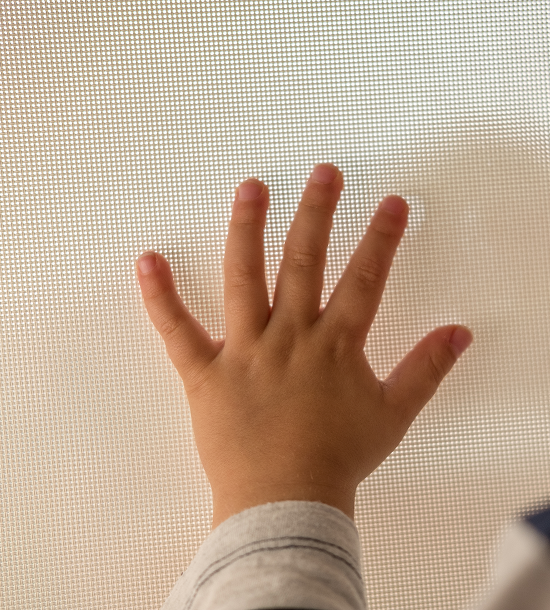
A sensory wall for autism is a thoughtfully designed wall surface that supports emotional regulation by helping the nervous system feel calmer, safer, and more organized within a space.
An autism-friendly sensory wall is designed with autonomy in mind.
Rather than standing out visually, a sensory wall for autism blends into the space.
Autistic nervous systems often process environmental input with greater intensity and less automatic filtering, which makes the physical space a direct factor in emotional regulation.
 Visual clutter,
noise, and unpredictability can increase sensory load Higher sensory load
makes regulation harder to access Dysregulation in
these moments is often driven by the environment rather than behavior
Visual clutter,
noise, and unpredictability can increase sensory load Higher sensory load
makes regulation harder to access Dysregulation in
these moments is often driven by the environment rather than behavior
Consistent texture, pattern, and interaction reduce uncertainty and cognitive strain.

Subtle, repeatable textures help the body orient and settle during overwhelm.

Soft contrast, repetition, and visual order lower visual stress and support regulation.
We design sensory walls by starting with how the nervous system responds to space, not how a wall looks on its own. Our decisions are guided by regulation patterns, sensory thresholds, and how different inputs affect orientation, calm, and emotional safety.
Rather than applying a fixed formula, we adapt the wall design based on how the space is actually experienced throughout the day.
Our approach focuses on reducing unnecessary sensory demand before adding anything new. We assess visual clutter, contrast levels, and competing patterns that may be increasing cognitive and sensory load.
By intentionally simplifying and organizing the visual environment, the sensory wall supports regulation instead of becoming another source of stimulation.
We design sensory walls so interaction is optional and self-directed. This supports autonomy and allows individuals to use the wall when regulation support is needed, without pressure or expectation.
Predictability is built into materials, textures, and placement so the wall feels consistent and reliable over time, which is critical for nervous-system safety.
In practice, a sensory interior design wall is personalized to the individual and the environment. It works alongside lighting, layout, and movement flow rather than standing out as a feature.
Our goal is a space that feels calmer and easier to navigate, with the sensory wall quietly supporting regulation as part of the whole.

Sensory walls can help autistic children during transitions, learning time, or emotionally intense moments. Predictable sensory input can make it easier to settle without constant external support.
For teens and adults, sensory walls are designed to feel subtle and integrated into the space. They support regulation and orientation without drawing attention, allowing private, self-directed use.
Sensory walls can support people who are sensitive to visual, tactile, or environmental input, including those with ADHD or high sensitivity. They help lower overall sensory load and make spaces easier to tolerate.
In trauma-informed and inclusive environments, sensory walls support emotional safety across different nervous systems. Optional, predictable regulation support helps shared spaces feel calmer without singling anyone out.
Effective sensory wall panels for autism aren’t chosen from a catalog and “installed.” They are designed through a process that starts with the nervous system.
We start by understanding who the space is for and how it is used day to day. This includes regulation patterns, moments of overwhelm, and how the environment currently feels to the nervous system.
We look closely at sensory factors such as visual load, texture tolerance, sound reflection, lighting, and predictability. These insights guide what types of sensory input will support regulation rather than add strain.
Design decisions focus on calm, repeatable sensory input that helps the nervous system settle. The goal is not interaction or novelty, but steadiness, orientation, and emotional safety.
The sensory wall is designed in relation to the full environment, including layout, movement flow, and lighting. A sensory-led wall installation is introduced naturally so the wall supports regulation as part of the space, not as a separate feature.
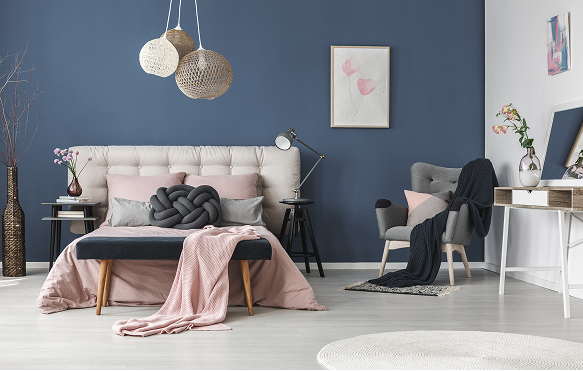
Sensory wall panels are often used in bedrooms, shared family spaces, or transition areas where overwhelm tends to build. In homes, they support regulation within everyday routines rather than being limited to a separate “sensory room.”
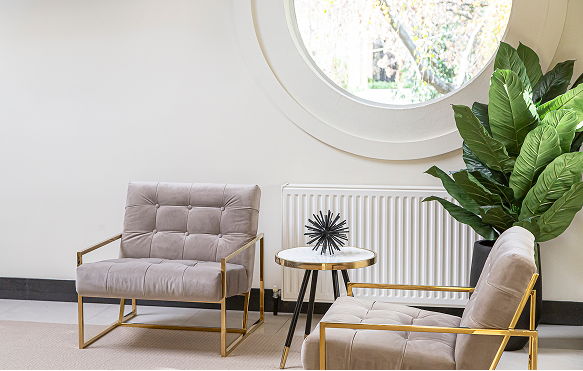
In therapy and counseling environments, sensory walls provide grounding support without requiring verbal processing. They help create a calmer setting where regulation can happen alongside therapeutic work.
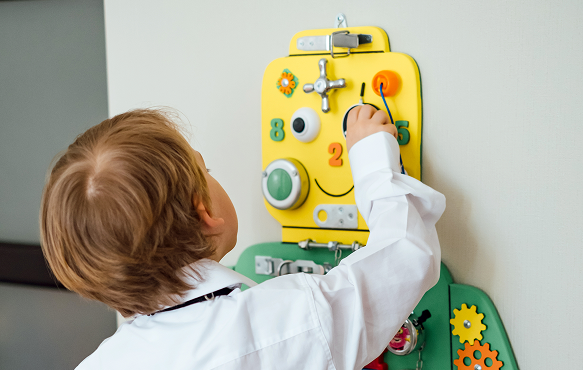
In schools, sensory wall panels are used in calm corners, support zones, or learning spaces where focus and regulation are needed. They help students return to readiness without disrupting the broader classroom environment.
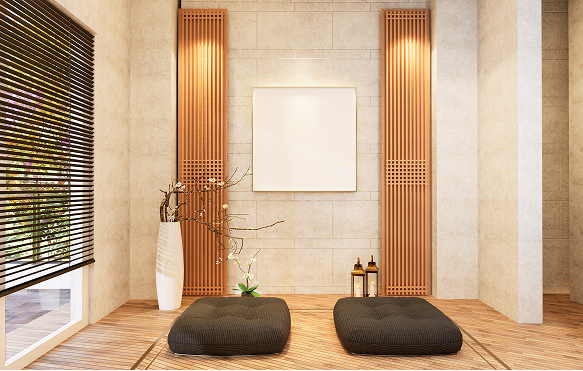
In quiet rooms and wellness spaces, sensory walls support rest, regulation, and emotional safety. These environments are designed to feel steady and predictable for a wide range of sensory needs.”

If your space feels overwhelming, you don’t have to figure it out alone. We help design environments that support your nervous system and everyday life.

© Practical Sanctuary. All rights reserved.