What is a Sensory Room?
A space designed to reduce sensory demand and support regulation
When people ask us what a sensory room is, we usually begin with what feels difficult in their current space rather than with a definition. Often the room looks fine. It may even appear calm yet spending time there feels tiring. Light shifts during the day. Sound carries more than expected. Seating does not quite support rest. None of this feels dramatic, but it adds up.
A sensory room is designed to lower that background effort. In practice, this often means simplifying the space and removing elements that place constant demand on the senses, so the body has more room to settle.
Why Sensory Rooms Support Regulation
Automatic response
Light, sound, proximity, and layout are registered by the body before conscious thought. When these inputs are intense or unpredictable, the nervous system stays alert.
Hidden strain
Many everyday spaces contain small stressors such as uneven lighting, sound that travels too far, visual density, or limited seating options. Individually they seem minor. Together they create ongoing strain.
Reduced demand
Sensory rooms work by lowering overall sensory load. Simplifying the environment often supports regulation more effectively than adding new features or stimulation.
Predictable input
Spaces with consistent lighting, controlled sound, and clear layout feel easier for the body to process. Predictability reduces vigilance.
Personal control
The ability to adjust light, sound, position, or distance gives the nervous system options. Choice supports regulation.
Subtle shifts
The impact of reduced sensory demand is usually gradual. People feel less tense, less reactive, and more able to focus or rest. The space becomes easier to be in.
Who We Design Sensory Rooms For
Sensory room consulting is appropriate in a range of environments where people are affected by sensory load.
Neurodivergent and highly sensitive individuals
For people with autism, ADHD, sensory processing differences, or high sensitivity, sensory rooms can provide relief from constant environmental input. These spaces support regulation without requiring coping strategies or behavioral effort.
Families navigating sensory differences at home
In homes, sensory rooms often support smoother transitions and reduced conflict. They provide a shared understanding that regulation needs vary and deserve space. These rooms are not about isolation but about giving the nervous system a place to reset.
Workplaces and organizations
In workplaces, sensory rooms support sustained focus, recovery from cognitive load, and inclusion for neurodivergent staff and teams working under constant demand. They function as practical infrastructure rather than wellness extras.
Our Trauma-Informed Design Lens
Designing for safety, dignity, and personal agency
Felt Safety
Safety is not only a physical condition. It is also about how a space is perceived and understood by the body. Clear sightlines, intuitive layouts, and the ability to quickly orient within a room reduce background anxiety. When people understand where they are and how they can move through a space, regulation becomes easier to maintain.
Sensory Privacy
In many rooms, privacy breaks down through sound before anything else. Conversations carry. Small noises travel. Visual activity stays in the corner of your eye. Even when nothing is happening, the space feels exposed. Sensory rooms work better when there is some buffering from noise and visual movement, without turning the room into something closed or boxed in.
Personal Control
People usually settle faster when they can make small adjustments on their own. Choosing a different seat. Shifting position. Changing the light slightly. Creating a bit of distance. These small options matter more than fixed layouts, especially for people who already feel overstimulated or tense.
How We Design Sensory Rooms
Evaluating the space as a complete sensory experience

Use first
Design decisions begin with how the space will actually function. Some sensory rooms support decompression, others support focus, transition, or recovery. The design follows the intended use of the room rather than assumptions about what a sensory room should look like.
Light and sound
Light rarely stays consistent throughout the day, and sound often behaves in ways people do not expect. Bright patches, glare, echo, or constant low noise tend to wear people down. We usually start by softening these conditions rather than adding anything new.
Orientation and flow
Some spaces make you work just to move through them. Others are easy to read. When it is clear where to walk or sit, the body does not stay tense trying to figure it out.
Materials and grounding
Materials are selected for tolerance and comfort rather than trend. Natural elements, repetition, and simple rhythms often support grounding more effectively than visual complexity. In many cases, meaningful improvement comes from simplifying the space rather than adding new elements.
Sensory Rooms Across Different Contexts
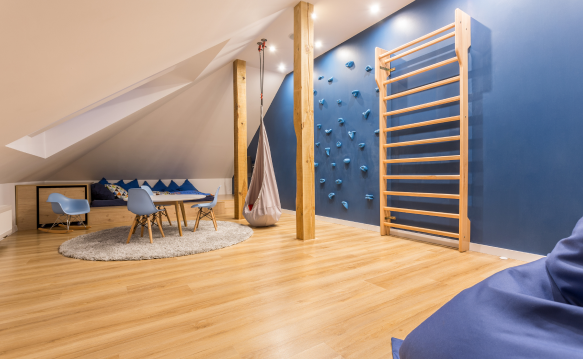
Adaptable to real environments
Sensory rooms can be integrated into a variety of settings.
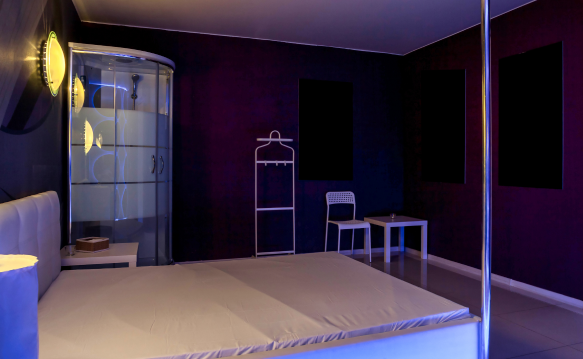
In homes
Supporting daily regulation, recovery from overstimulation, and smoother transitions.

In workplaces
Providing relief from sustained cognitive and sensory demand while supporting focus and inclusion.
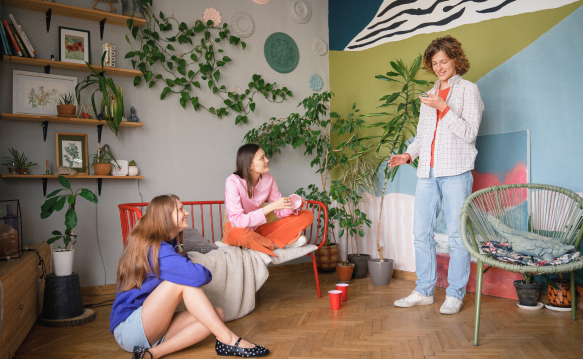
In care, education, and community settings
Creating environments that reduce stress, support dignity, and accommodate diverse sensory needs.
How Practical Sanctuary’s Sensory Room Consulting Works
What to expect when you work with us
Our sensory room consulting is delivered virtually, which allows us to work nationwide while staying grounded in real conditions. This approach lets us see how a space is actually used day to day, including changes in light, sound behavior, movement patterns, and routines that affect regulation.
Virtual consulting gives us more accurate insight than plans or staged photos and leads to recommendations that work in real life.
Our Consulting Process
Understanding the people and the space
We begin with a sensory assessment based on who uses the space, how often, and in what ways. This helps us understand where sensory strain is coming from and what the space needs to support.
Assessing real conditions
We look at how the space behaves during the day, not how it looks in a single moment. Light changes. Sound moves. Some areas feel busier than others. Walking through the room usually reveals more than drawings or photos ever do.
Applying a trauma-informed lens
Some spaces quietly add pressure. Others make it harder to feel settled or in control. We pay attention to where a room feels exposed, confusing, or restrictive and adjust from there. The focus stays on how safe and manageable the space feels to be in.
Developing realistic recommendations
We provide clear, prioritized guidance aligned with budget, capacity, and real constraints. The focus is on changes that can be implemented without unnecessary complexity.
Supporting sustainable changes
Recommendations are designed to be manageable over time. The goal is to reduce sensory demand, not to introduce new systems that require ongoing effort.
Frequently Asked Questions

Creating Environments That Support Regulation
At Practical Sanctuary, sensory room design is about making environments easier to live in. The focus is not on creating ideal spaces, but on reducing the everyday strain that comes from light, sound, layout, and constant sensory demand.
When sensory load is reduced, people often notice practical changes. They feel less tense in space. They recover more quickly after stress. They spend less effort managing their surroundings. Over time, that ease supports better focus, rest, and emotional balance.
This is the outcome we design toward. Spaces that support regulation in real life, not just in theory.