
The Eccentric Genius Habitat Intervention: Not Another Self-Help Book
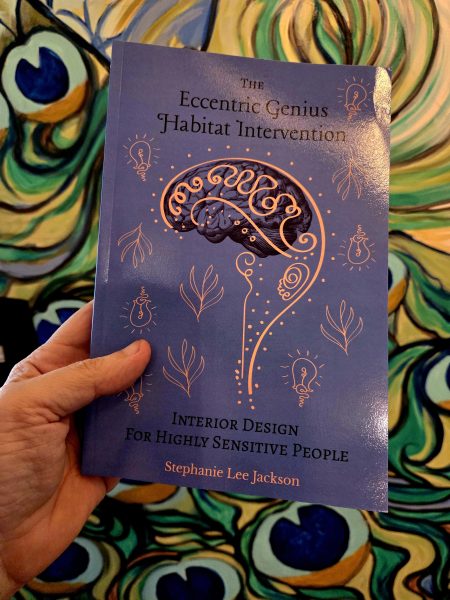 Sometime in the mid twenty-teens I started to realize that my Law of Attraction business coach was a con artist.
I was listening to her coaching sessions on my iPod Nano bought on credit, ferrying my toddler to preschool on a poverty scholarship, in my dying third-hand car which wasn’t technically legal to drive. Listening to her reassuring voice made me feel like I could transcend my desperation–bullying spouse, sociopathic employers, horrendous economy, loneliness–if I just changed my MINDSET. Mindset creates miracles.
Shortly thereafter, my car and my marriage died in the same week. My massage therapy business wasn’t generating the six figure revenue touted by the coach, but I set up a debt repayment plan and kept taking baby steps. Getting out of my marriage did more to fix my mindset than a thousand Quantum Leap coaching affirmations.
The Law of Attraction coach did me one big favor: she looked at my massage website, and told me to take the photos of my space down. What she failed to see was that the photos of the space were the whole entire point. I fired the coach and started an interior design business.
At the same time I started reading people like Kelly Diels, who pointed out that people who are thin, beautiful and wealthy often make a good living by telling other people to be like them, and that this is a pyramid scheme. I hired the coach because I needed someone to see me, but what helped me most was learning to see myself.
This is what I try to do for my clients.
When 99.9% of people lose in any given system, the problem isn’t mindset. It’s the system. Grifters like my ex-coach use people’s ‘pain points’ to extract their money. They’re not selling success; they’re selling hope, with similar odds–and rationalizations–of casino owners.
Writing my book, The Eccentric Genius Habitat Intervention; Interior Design for Highly Sensitive People, I was painfully aware that the odds of changing a toxic system with my words, no matter how compelling, were slim. I was determined NOT to write another self-help book, yet I was equally determined to help people help themselves, and then help one another.
This book isn’t about One Thing. It’s about how things fit together. It’s about how the brain works, whether you’re neurotypical, neurodivergent or highly sensitive. It’s about tuning into your own nervous system, identifying your own needs, and making shifts in your environment to honor those needs. It’s about how one small shift can snowball, and how feedback loops can spiral up or down, depending on how you hack them.
Most of all, it’s an act of love, rescued from wreckage. It’s from me to you. I hope you like it.

Share This Story, Choose Your Platform!
The Eccentric Genius Habitat Intervention
Your space, your nervous system.
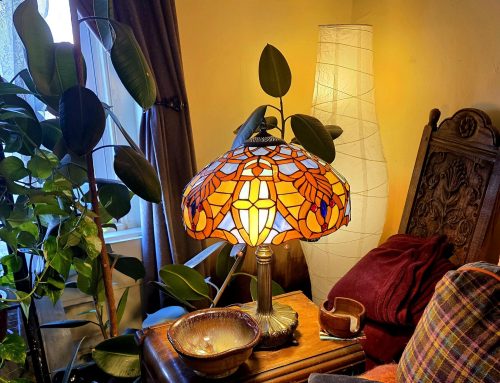
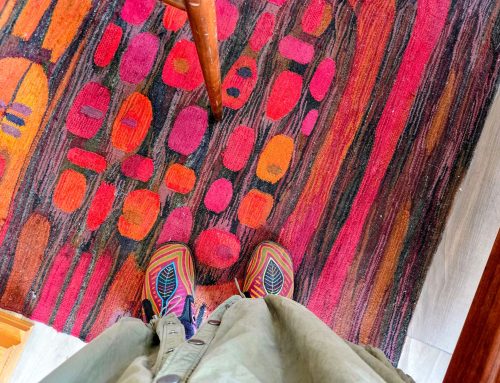
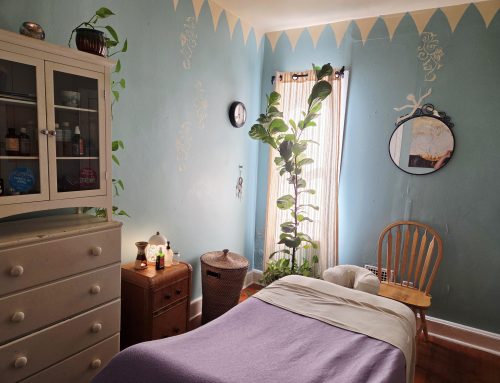
Most of us were never taught how our bodies actually experience a room–the light, the sound, the layout, the smell–and what happens when those things work against us instead of for us.
This free seven-day course is a gentle introduction to sensory design. Each day brings one exercise–noticing what you feel, photographing what you’ve been editing out, dreaming about what you actually want. The exercises are all optional, and you can go as deep as you like.
By the end, you’ll understand more about why certain rooms drain you, what your body knows about your home, and how to start shifting without stressing out.
Sign up below. Your first email arrives within the hour.

Practical Sanctuary, sensory interior design, specializes in interior design for highly sensitive people.
We help you create spaces which are:

